Cricket Teams: Squad Pages, Role Charts & Fantasy Reading Lists
Editorial team pages for the international sides and the IPL franchises: squad depth, role balance, home ground and the captaincy method for fantasy.

How the team pages are organised
The teams hub indexes two kinds of pages: the ten IPL franchises and the major international sides. Each page follows the same template — squad depth chart, role balance, home ground notes, captaincy method and the players to watch in the next match window. The pages are reviewed weekly during the active season and monthly in the off-season.

International sides
For the international sides, the team pages cover the players in the active squad, the players in the next-tour squad, and the players to watch from the A squad. The captaincy method is a read on how the captain is likely to rotate the side — not a prediction of who will captain. For fantasy, the captaincy method matters because the rotation policy is a captaincy input: a captain who rotates the strike bowler is a captain you cannot pick as your fantasy captain.
- India, Australia, England, New Zealand, South Africa, Pakistan, Sri Lanka, Bangladesh, West Indies, Afghanistan, Ireland, Zimbabwe.
IPL franchises
For the IPL franchises, the team pages cover the squad depth, the impact-player candidates, the home ground notes and the captaincy method. The IPL squads change year to year, so the team pages are rebuilt each season rather than updated incrementally. The off-season page is replaced by the auction review as soon as the squad is finalised.
- Mumbai Indians, Chennai Super Kings, Royal Challengers Bengaluru, Kolkata Knight Riders, Sunrisers Hyderabad, Rajasthan Royals, Delhi Capitals, Punjab Kings, Gujarat Titans, Lucknow Super Giants.
Squad depth and role balance
For each team, the squad depth chart lists the top three batters, the top three bowlers, the leading wicketkeeper, the leading all-rounder, and the next-in-line for each role. The depth chart is the input to the role-balance template: a team with a thin batting bench forces a more balanced XI; a team with a deep batting bench allows a more aggressive XI. The depth chart is reviewed after every match, not just at the start of the season.
Home ground notes
The home ground page for each team covers the surface, the boundary sizes, the typical first-innings score, the dew window, and the venue's effect on captaincy. The home ground notes are the second input to the role-balance template, after the squad depth. The two inputs are combined: a deep batting team on a high-scoring venue plays one shape; a deep batting team on a slow, low venue plays a different shape.
What we do not publish
We do not republish the official squad announcements. We do not run paid placement in the captaincy method. We do not link to third-party squad trackers. The team pages are an editorial product; the official board or franchise site is the source for the squad itself.
How to use the team pages
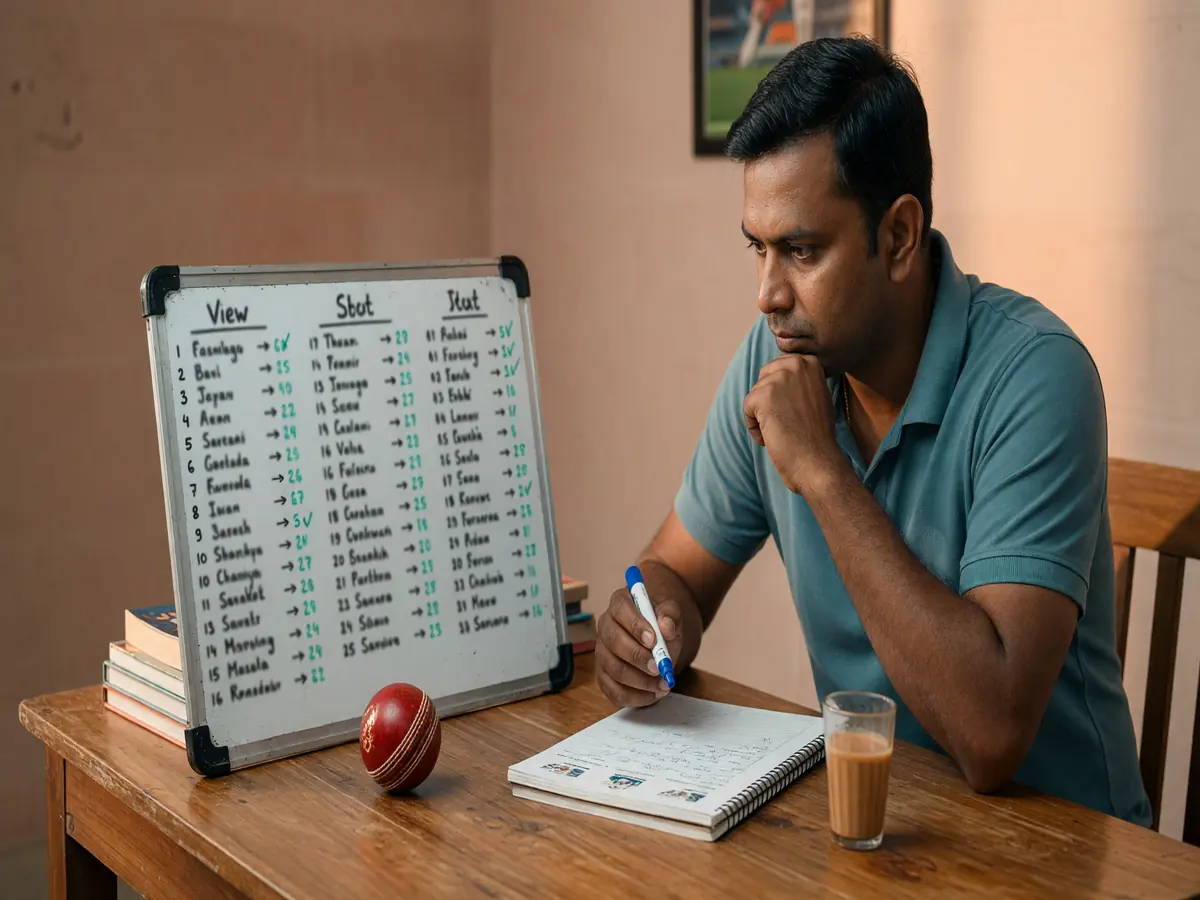
The team pages are useful for two things: pre-season squad evaluation and matchday captaincy pivots. In the pre-season, the depth chart and the home ground notes are the inputs to the role-balance template. On the matchday, the team page is the place to confirm the playing XI and check the captaincy method against the actual squad selection.
What to read next
The players hub is the role-by-role read for the individual players. The fantasy tips page is the method. The IPL 2026 hub is the season-long read.
Editorial reminder
Team pages are not squad announcements. For the official squad, the franchise or board site is the source. The team page is the read on what the squad means for fantasy.
How often are the team pages updated?
Weekly during the active season, monthly in the off-season. The captaincy method is rewritten when the captain changes or the squad is rebuilt.
Do you cover associate nations?
Yes, with a smaller cadence. The team page template is the same; the squad depth is shallower, so the role-balance template is more conservative.
What about retired players?
Retired international players are kept in the historical record for one season after retirement. After that, the page is closed and a brief obituary-style summary replaces the squad depth chart.
The matchday week, in summary
The matchday week has five beats. Monday: the squad announcement, with the early reads on the players in form. Tuesday: the venue and conditions read, with the weather forecast and the dew window. Wednesday: the captain and vice-captain shortlist, with the three-pass method applied to each candidate. Thursday: the toss update, with the captaincy pivot and the contest-shape recommendation. Friday: the post-match review, with the captaincy grade and the contest-shape grade. The five beats are designed to be read in 10-15 minutes each, and to be useful in the next match, not in the next quarter.
How to read a preview
A preview is designed to be read in 10-15 minutes. The first paragraph is the verified fact: the start time, the venue, the format, the squads. The second paragraph is the conditions read. The third paragraph is the captaincy shortlist, with the floor, ceiling and role-certainty for each candidate. The fourth paragraph is the differential pick. The fifth paragraph is the contest-shape recommendation. The preview ends with a "What to watch" note: a single sentence on the one thing to keep an eye on during the match.
How to read a review
A review is designed to be read in 5-7 minutes. The first paragraph is the verified result: the final score, the captain, the differential pick. The second paragraph is the captaincy grade. The third paragraph is the differential grade. The fourth paragraph is the contest-shape grade. The review ends with a "What we learned" note: a single sentence on the one thing that the next match's preview should account for.
Editorial reminder
A preview is a method, not a forecast. A review is a grade, not a verdict. Both are honest about the misses, not just the wins.