Fan2Play Referral Code: How Invites Actually Work
A transparent read on the Fan2Play referral mechanic: verified steps, reward conditions, exclusions, and the consent-based share guidance.

What a Fan2Play referral is, in plain language
A referral is an invite: a current user shares a code or a link with a new user. When the new user signs up using the code and meets the eligibility conditions, both parties may receive a reward. The reward, the eligibility conditions, and the exclusion list are all set by the operator and published in the official terms.
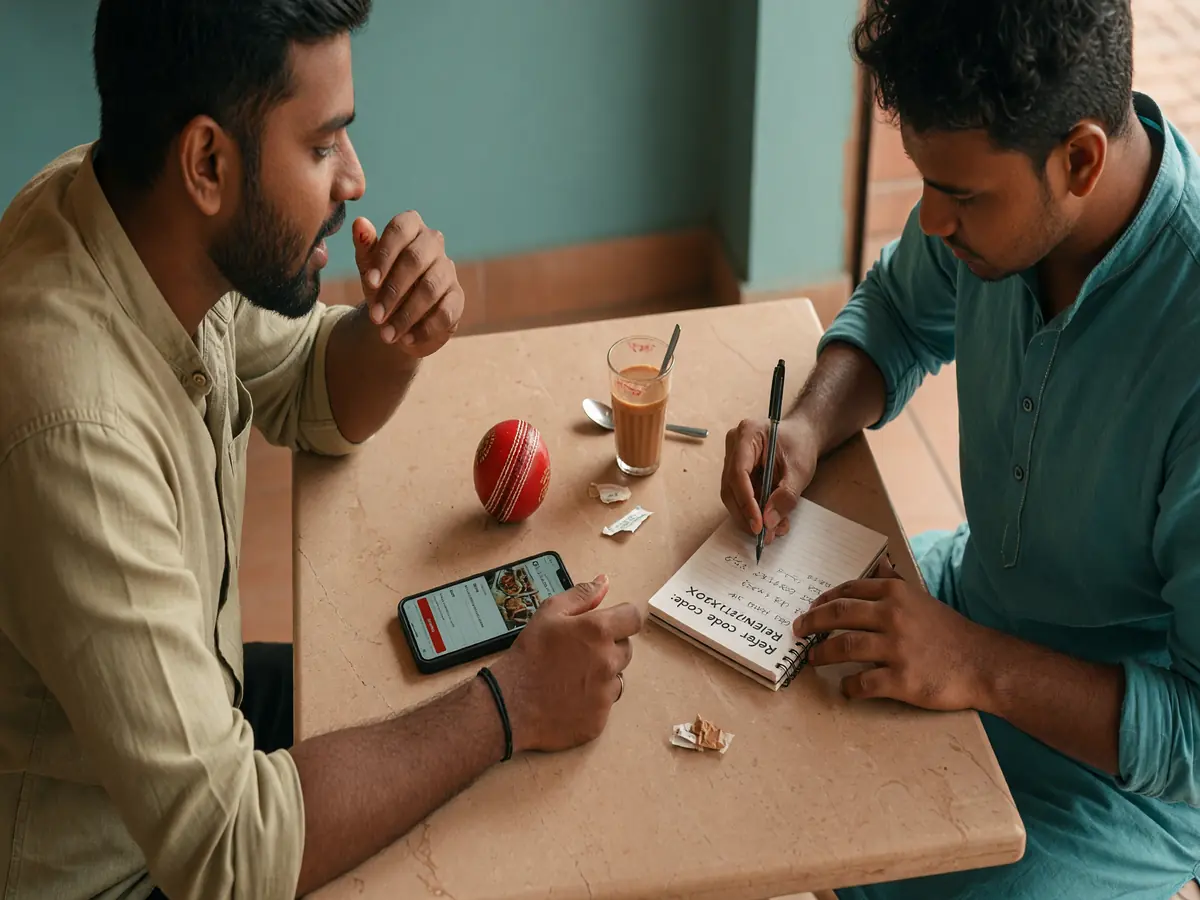
Where the referral code lives
The referral code is in the app, under the profile or "Refer & earn" section. The code is unique to your account; do not share another user's code as your own — the operator's eligibility check is on the account that owns the code. The share link is a deep link that pre-fills the invite code during sign-up; if the new user signs up without the link, they can enter the code manually during the registration flow.
What the reward usually is
Most referral programs offer one of three reward shapes:
- Cash bonus: a fixed amount credited to the wallet, withdrawable after the operator's playthrough conditions are met.
- Contest entry: a free entry into a specific contest or contest category.
- Cashback on the invitee's first deposit: a percentage of the invitee's first deposit, credited to the inviter's wallet.
Each shape has different tax and withdrawal implications. The cashback on first deposit, in particular, may be subject to TDS under Indian tax rules; the operator handles the TDS deduction. Read the operator's terms on the reward shape before you share.
The eligibility checklist, in plain language
Most operators require the invitee to meet four conditions before the reward is paid. The conditions are set by the operator and are non-negotiable.
- Verified phone number. The invitee must complete the phone-number verification during sign-up.
- Completed KYC. The invitee must complete KYC, including PAN and (in many cases) Aadhaar or a government-issued ID.
- First deposit of at least the minimum. The minimum is operator-specific; it is usually between ₹100 and ₹500.
- Contest entry. The invitee must enter at least one paid contest within the eligibility window (usually 30 to 90 days).

What disqualifies a referral
Most operators disqualify a referral if any of the following is true: the invitee already has an account on the platform, the invitee and the inviter share the same device, KYC information, or payment method, the invitee is from a state where the operator is not licensed, or the invitee does not meet the eligibility window. The disqualification list is in the operator's terms. If you are unsure whether your invite qualifies, ask the operator's customer care before sharing.
Sharing the code, the safe way
The safest way to share a referral code is in person or over a private message to a person you know. The reason is consent: a referral is a contract, and the invitee should know that they are agreeing to the operator's terms before they sign up. Posting the code publicly (on a Telegram channel, in a YouTube comment, on a public social profile) is not recommended — the operator's eligibility check is per invitee, and a public share is hard to verify against fraud.
Tracking your invites
The app's "Refer & earn" section usually shows a list of invitees, their status (signed up, KYC complete, first deposit done, contest entered), and the reward credited. The list is updated in real time. If an invitee is not progressing through the eligibility checklist, the most common reason is a KYC issue — the invitee should check the KYC section of the app and the operator's KYC guide.
Taxes on referral rewards
Cash bonuses and cashback rewards may be subject to TDS under Indian tax rules. The operator deducts TDS at the rate set by the Income Tax Department and issues a TDS certificate. The reward credited to the wallet is the post-TDS amount. The certificate is downloadable from the operator's tax section; keep it for your records.
What to do if the reward is not credited
If the invitee has met all the eligibility conditions and the reward is not credited, the most common reason is a delay in the operator's eligibility check. The check can take up to 30 days. If the delay exceeds 30 days, contact customer care with the invitee's user ID, the date of sign-up, and a screenshot of the invitee's first deposit.
Where to read next
The bonus code guide is the related read. The KYC guide covers the verification flow. The customer care page is the escalation path.
Editorial reminder
The reward shape, the eligibility conditions, and the exclusion list are all in the operator's official terms. The marketing page may show a higher reward than the terms — trust the terms. If the terms are unclear, ask customer care before you share.
Is a referral reward guaranteed?
No. The reward is paid only if the invitee meets all the eligibility conditions, including KYC and the first deposit. The reward is operator-set and may change without notice.
Can I refer someone from a restricted state?
No. The operator's eligibility check is per state, and the reward is not paid if the invitee is in a restricted state. The restricted-state list is in the operator's terms.
What is the difference between a referral and a bonus code?
A referral is an invite from an existing user; a bonus code is a public or private code from the operator. The eligibility conditions and the reward shape may differ. The two are usually tracked separately in the app's wallet section.