Match Predictions: Verified Probable XIs, Conditions & Differential Reads
Match-by-match analysis with timestamps: probable XIs, conditions, matchup notes and a clear confirmed vs pending label on every pick.
How the match predictions index works
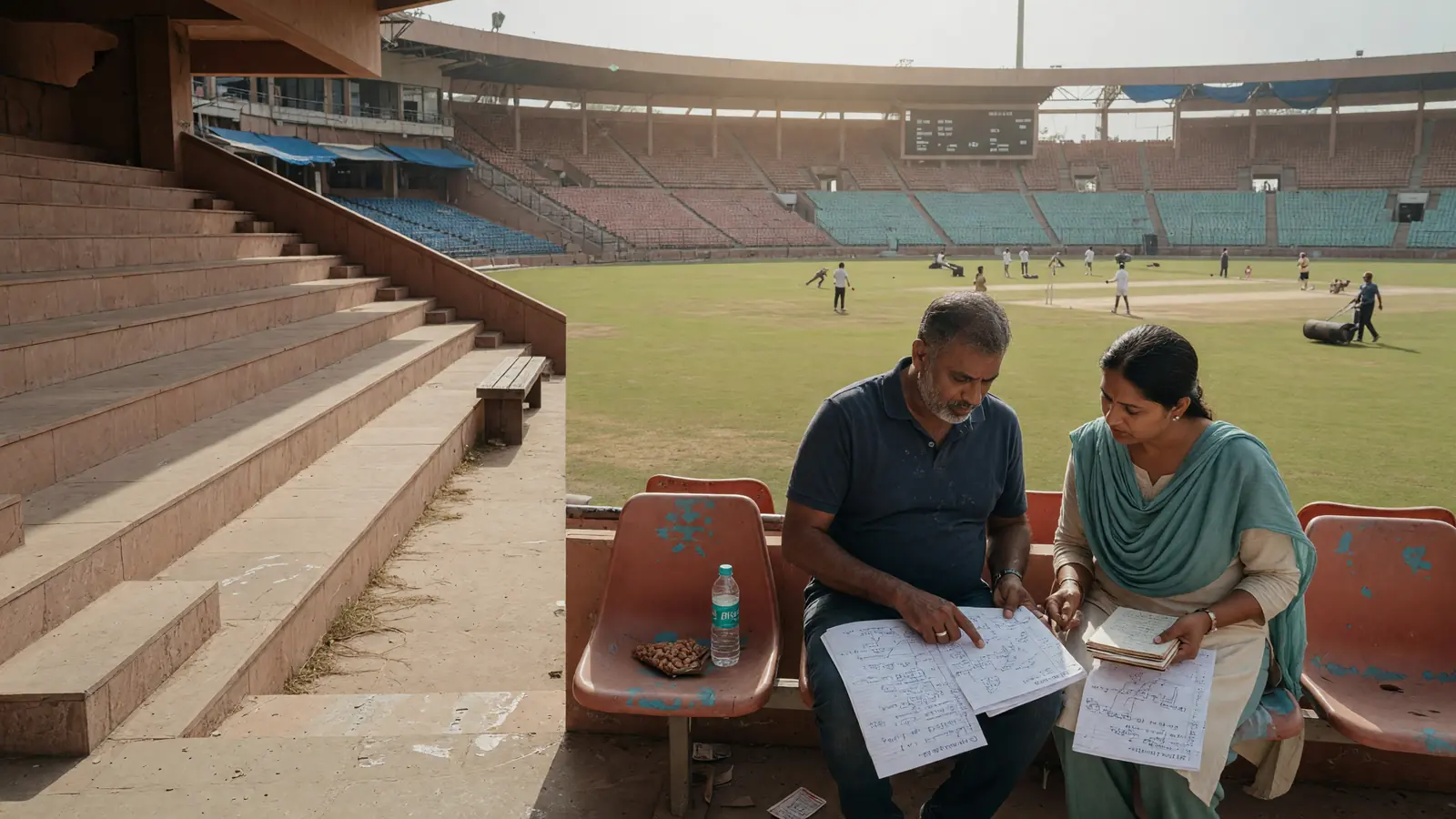
This hub is the editorial index for the matchday previews, reviews and toss updates we publish. Each match gets a preview, a captaincy shortlist and a contest-shape read, posted the morning of the match, with a toss update when the toss is announced. The review is posted the morning after, with the captaincy grade, the differential grade and the contest-shape grade.
We do not publish the result of a match. The official broadcaster and the operator's app are the source for that. We publish the reading that helps you build a better team before the deadline.
What a preview includes
Each preview covers five things: the venue and conditions, the probable XIs, the captain and vice-captain shortlist, the differential pick, and the contest-shape recommendation (head-to-head, mid-size league or GPP). The probable XIs are sourced from the league broadcaster, the official squad announcements and the operator's push notification. The captaincy shortlist uses the three-pass method — floor, ceiling and role certainty — and lists two alternates in case of an XI change.
Reading a toss update
The toss update is a small post, not a full preview. It covers three things: the elected innings, the surface read after the toss, and the captaincy pivot if the elected innings flips your read. Most matches see a small captaincy pivot — the captain does not usually change wholesale, but the differential often does. The post is published within ten minutes of the toss.
Reading a review
The review grades three calls. Captaincy: did the call follow the method, and did the result match? Differential: did the call separate the team from the field, and did the result separate it? Contest shape: was the recommended contest shape the right one for the team that was actually submitted? A review is honest about misses. A captaincy call that followed the method and lost is recorded the same as one that followed the method and won. The review is the only place on the site where the method is graded against reality.
Confirmed vs pending labels
Every pick in a preview carries one of two labels: "confirmed" (verified from the official squad announcement or the operator's push notification) or "pending" (probable, based on form and the broadcaster's read, not yet verified). The label is the editorial honesty signal: a confirmed pick is one you can build a team around; a pending pick is a "watch for the toss" pick. We do not lock a captain pick on a pending XI.

Conditions: how we read the venue
Venue conditions are a four-part read: the surface (grass cover, moisture, square turnover), the boundary sizes (long-on, mid-wicket, square-leg), the weather forecast (hour-by-hour, with the dew window), and the home ground advantage (if any). The four parts are weighted differently for different match shapes. On a used Mumbai pitch in a T20 final, the surface matters more than the boundary sizes. On a flat Bengaluru track in an ODI, the boundary sizes matter more than the surface.
What we do not publish
We do not publish live scores, ball-by-ball commentary or live points tables. We do not publish "guaranteed winning team" pieces, and we do not run paid placement in the captaincy shortlist. The match predictions index is an editorial product. The official broadcaster and the operator's app are the right place for live data.
How to use the index
The cadence that works is: pick a contest a day ahead, read the preview the morning of the match, lock the team 30 minutes before the toss, and read the review the next morning. The previews are designed to be read in 10-15 minutes. The reviews are designed to be read in 5-7 minutes. The captaincy chart, updated weekly, is the season-long read.
What to read next
The fantasy tips page is the method. The captaincy method is the long-form version. The points system is the scoring reference. The DLS rules is the rain-threat read.
Editorial reminder
Predictions are not tips. The captaincy shortlist is a method, not a forecast. If a pick is labelled "pending", wait for the toss update before locking the team. If a pick is labelled "confirmed", it is verified from the official squad announcement.
How fresh is the squad data?
Each preview is updated within 15 minutes of the official squad announcement. The probable XI is updated at the toss with the actual playing XI. The captaincy shortlist is updated within 10 minutes of the toss.
Do you ever get the captain pick wrong?
Yes. The review publishes the grade honestly, including the misses. A captaincy call that followed the method and lost is recorded the same as one that followed the method and won.
Can I use the captaincy shortlist for any operator?
Yes. The shortlist is operator-agnostic. The credit cap and role limits vary by operator; check the operator's rules before you build a team.

The matchday week, in summary
The matchday week has five beats. Monday: the squad announcement, with the early reads on the players in form. Tuesday: the venue and conditions read, with the weather forecast and the dew window. Wednesday: the captain and vice-captain shortlist, with the three-pass method applied to each candidate. Thursday: the toss update, with the captaincy pivot and the contest-shape recommendation. Friday: the post-match review, with the captaincy grade and the contest-shape grade. The five beats are designed to be read in 10-15 minutes each, and to be useful in the next match, not in the next quarter.
How to read a preview
A preview is designed to be read in 10-15 minutes. The first paragraph is the verified fact: the start time, the venue, the format, the squads. The second paragraph is the conditions read. The third paragraph is the captaincy shortlist, with the floor, ceiling and role-certainty for each candidate. The fourth paragraph is the differential pick. The fifth paragraph is the contest-shape recommendation. The preview ends with a "What to watch" note: a single sentence on the one thing to keep an eye on during the match.
How to read a review
A review is designed to be read in 5-7 minutes. The first paragraph is the verified result: the final score, the captain, the differential pick. The second paragraph is the captaincy grade. The third paragraph is the differential grade. The fourth paragraph is the contest-shape grade. The review ends with a "What we learned" note: a single sentence on the one thing that the next match's preview should account for.
Editorial reminder
A preview is a method, not a forecast. A review is a grade, not a verdict. Both are honest about the misses, not just the wins.